Uterine Polyps
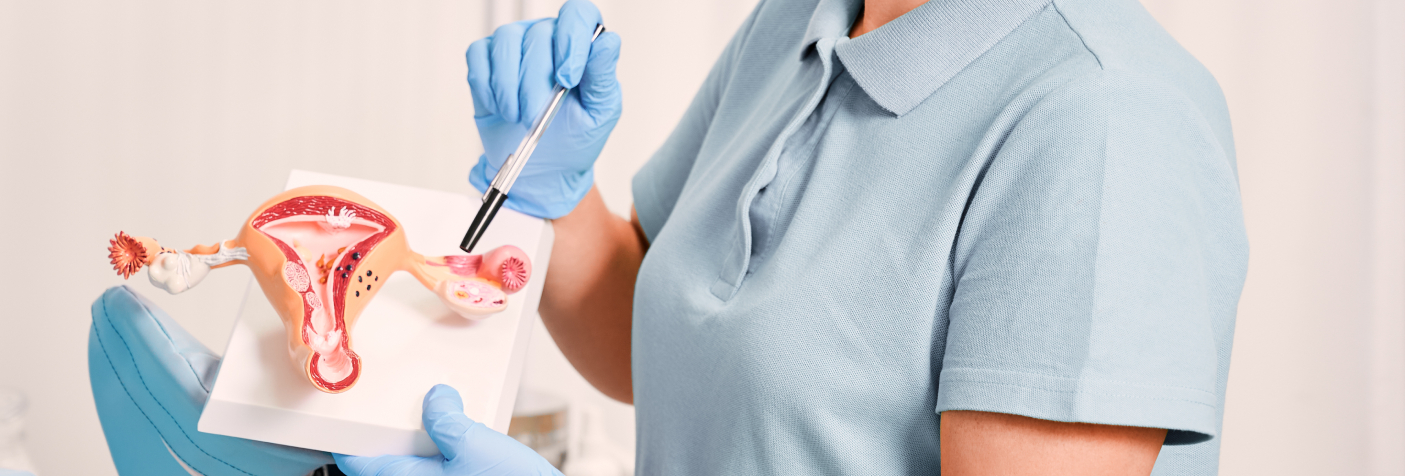
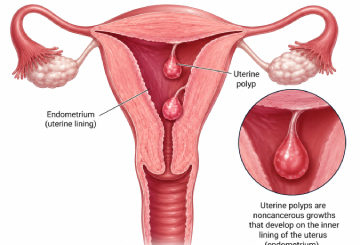
Uterine polyps are small, soft growths that develop on the inner lining of the uterus (endometrium). They are usually non-cancerous (benign) and can appear as single or multiple growths of varying sizes.
What are Uterine Polyps?
Uterine polyps are overgrowths of endometrial tissue that extend into the uterine cavity. They may remain small or grow larger over time and can affect women of reproductive age as well as postmenopausal women.
In most cases, uterine polyps are benign, but in rare situations, they may become precancerous or require further evaluation.
Causes and Risk Factors
The exact cause of uterine polyps is not fully understood, but hormonal imbalance, especially excess estrogen, is considered a major contributing factor.
Other risk factors include obesity, high blood pressure, tamoxifen therapy, and age-related hormonal changes.
Common Symptoms
Many women may not experience symptoms, and uterine polyps are often found during routine examinations.
When symptoms occur, they may include abnormal uterine bleeding, heavy or prolonged periods, spotting between periods, or bleeding after menopause.
Some patients may also experience pelvic discomfort or difficulty in conceiving.
Diagnosis
Uterine polyps are diagnosed using pelvic examination, transvaginal ultrasound, or hysteroscopy, which allows direct visualization of the uterine cavity.
In some cases, a biopsy may be recommended to rule out any abnormal or precancerous changes.
Treatment Options
Treatment depends on the size of the polyp, symptoms, and patient�s health condition.
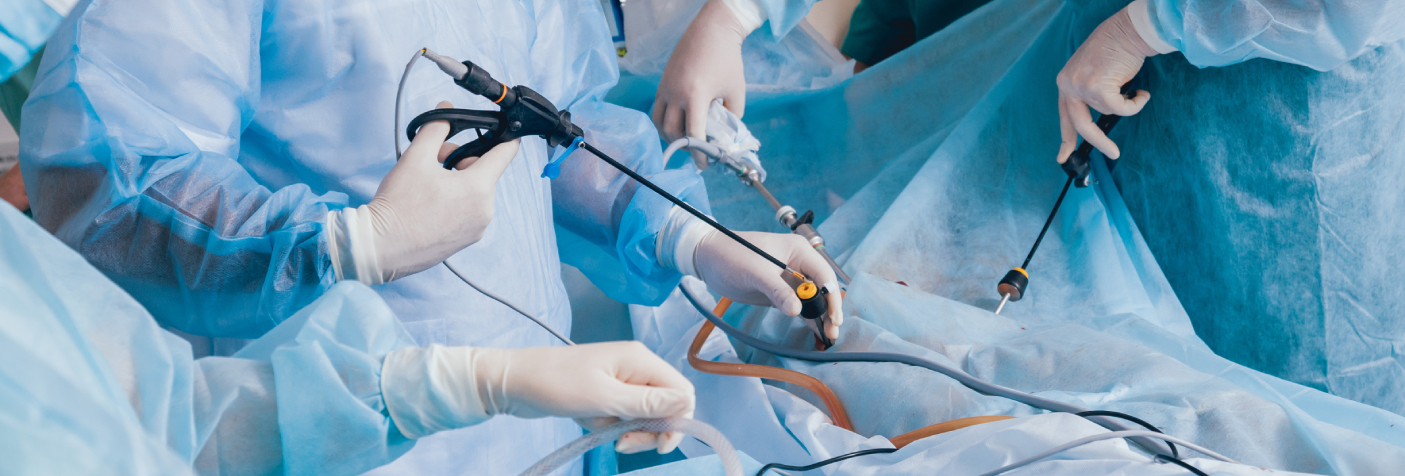
The most effective treatment is hysteroscopic polypectomy, a minimally invasive procedure that removes polyps safely and precisely.
Hormonal therapy may also be recommended in selected cases to help regulate hormonal imbalance and prevent recurrence.
Why Choose Dr. Dean Martin?
Dr. Dean Martin provides advanced and minimally invasive gynecological care with a patient-focused approach.
With extensive experience in hysteroscopic procedures, he ensures safe diagnosis, accurate treatment, and faster recovery for uterine conditions including polyps.
Conclusion
Uterine polyps are common and usually benign, but proper evaluation and timely treatment are important for maintaining reproductive health and preventing complications.
Consulting a specialist helps ensure accurate diagnosis and the most effective treatment plan for long-term well-being.