Uterine Fibroids
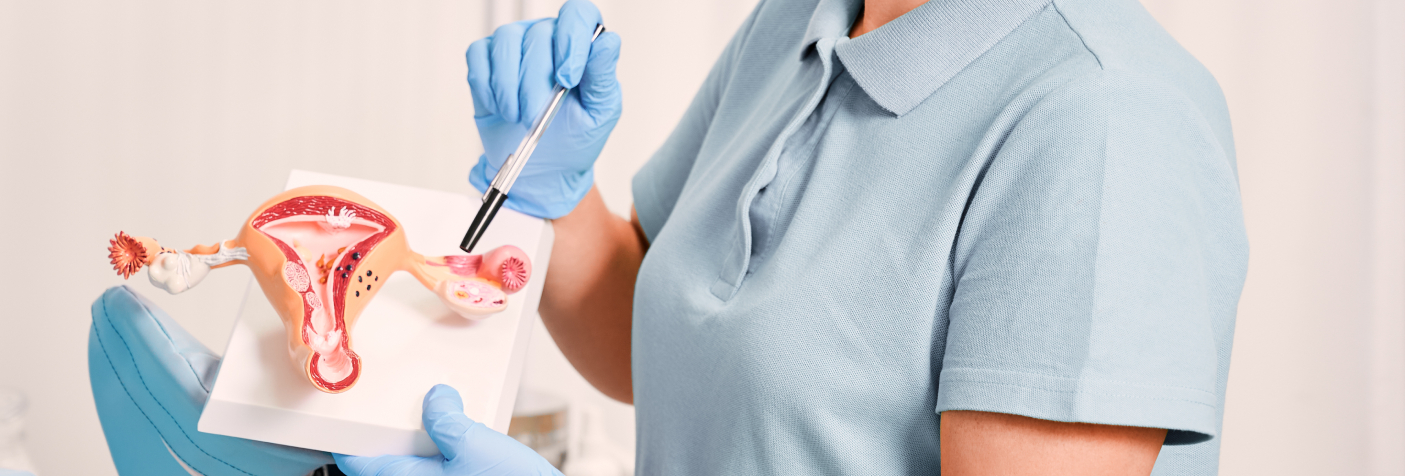
Uterine fibroids, also known as uterine leiomyomas or myomas, are non-cancerous growths that develop in or on the muscular wall of the uterus. These growths are made of smooth muscle cells and fibrous tissue and are very common among women of reproductive age.
Overview
Fibroids vary in size, number, and location. Some women may have a single fibroid, while others may develop multiple fibroids at different areas of the uterus. In many cases, fibroids do not cause symptoms and are discovered during routine pelvic examinations or imaging tests.
Causes and Risk Factors
The exact cause of uterine fibroids is not fully known. However, hormonal influences such as estrogen and progesterone play a major role in their growth. Genetic factors, family history, obesity, and early onset of menstruation may increase the risk of developing fibroids.
Symptoms
Many women may not experience symptoms, but when present, fibroids can cause significant discomfort. Common symptoms include heavy or prolonged menstrual bleeding, pelvic pressure or pain, frequent urination, difficulty emptying the bladder, back pain, and pain during intercourse.
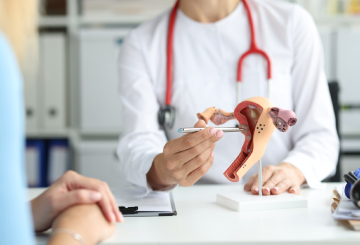
Types of Fibroids
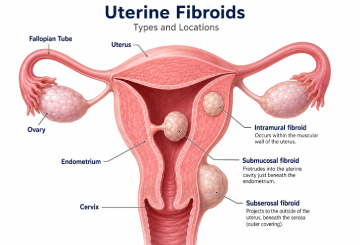
Intramural fibroids develop within the uterine wall. Submucosal fibroids grow just beneath the inner lining of the uterus. Subserosal fibroids form on the outer surface of the uterus. Pedunculated fibroids are attached to the uterus by a thin stalk.
Diagnosis
Diagnosis is made through clinical examination and imaging tests such as ultrasound or MRI. In some cases, hysteroscopy or other advanced procedures may be used to evaluate the uterine cavity more clearly.
Treatment Options
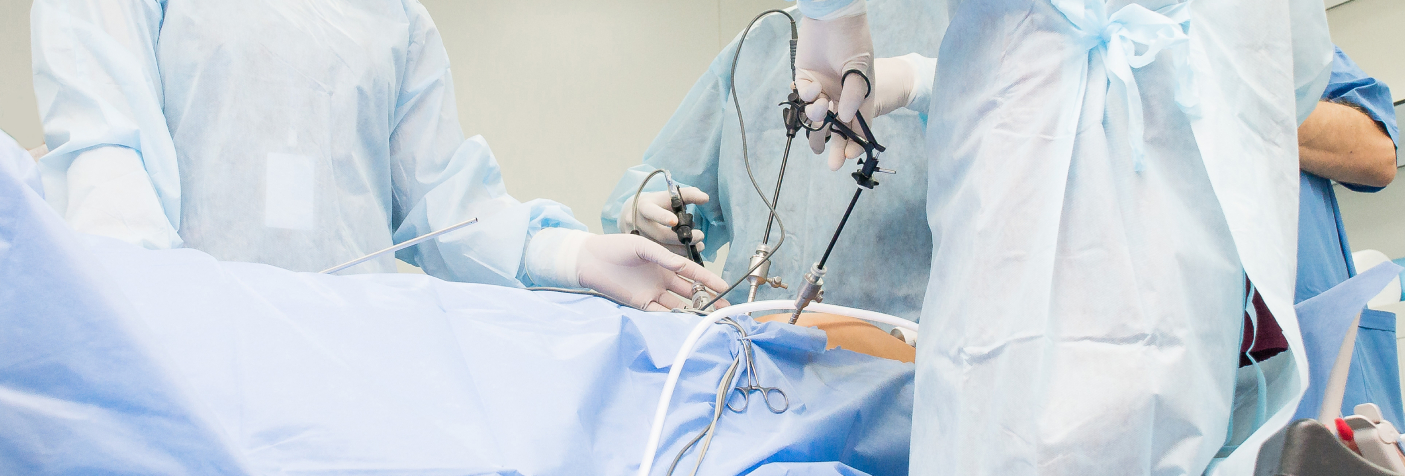
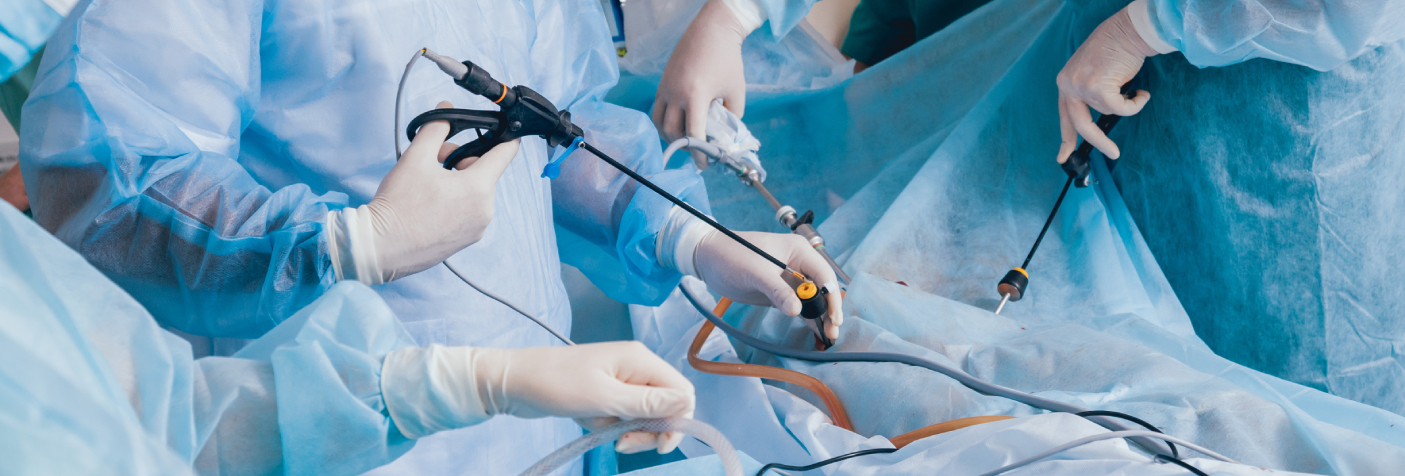
Treatment depends on the size, number, and symptoms of fibroids as well as the patient�s fertility goals. Options include medication for symptom control, minimally invasive procedures such as laparoscopic or hysteroscopic myomectomy, and in severe cases, surgical removal of the uterus (hysterectomy).
Advanced Care by Dr. Dean Martin
At Dr. Dean Martin�s clinic, we provide advanced and minimally invasive treatment options for uterine fibroids. Our approach focuses on preserving fertility whenever possible while ensuring safe and effective symptom relief with faster recovery.
Conclusion
Uterine fibroids are non-cancerous but can affect quality of life if left untreated. Early diagnosis and proper treatment planning are important for better outcomes and long-term health.